Chapter 1 - The Birth of Jesus Christ
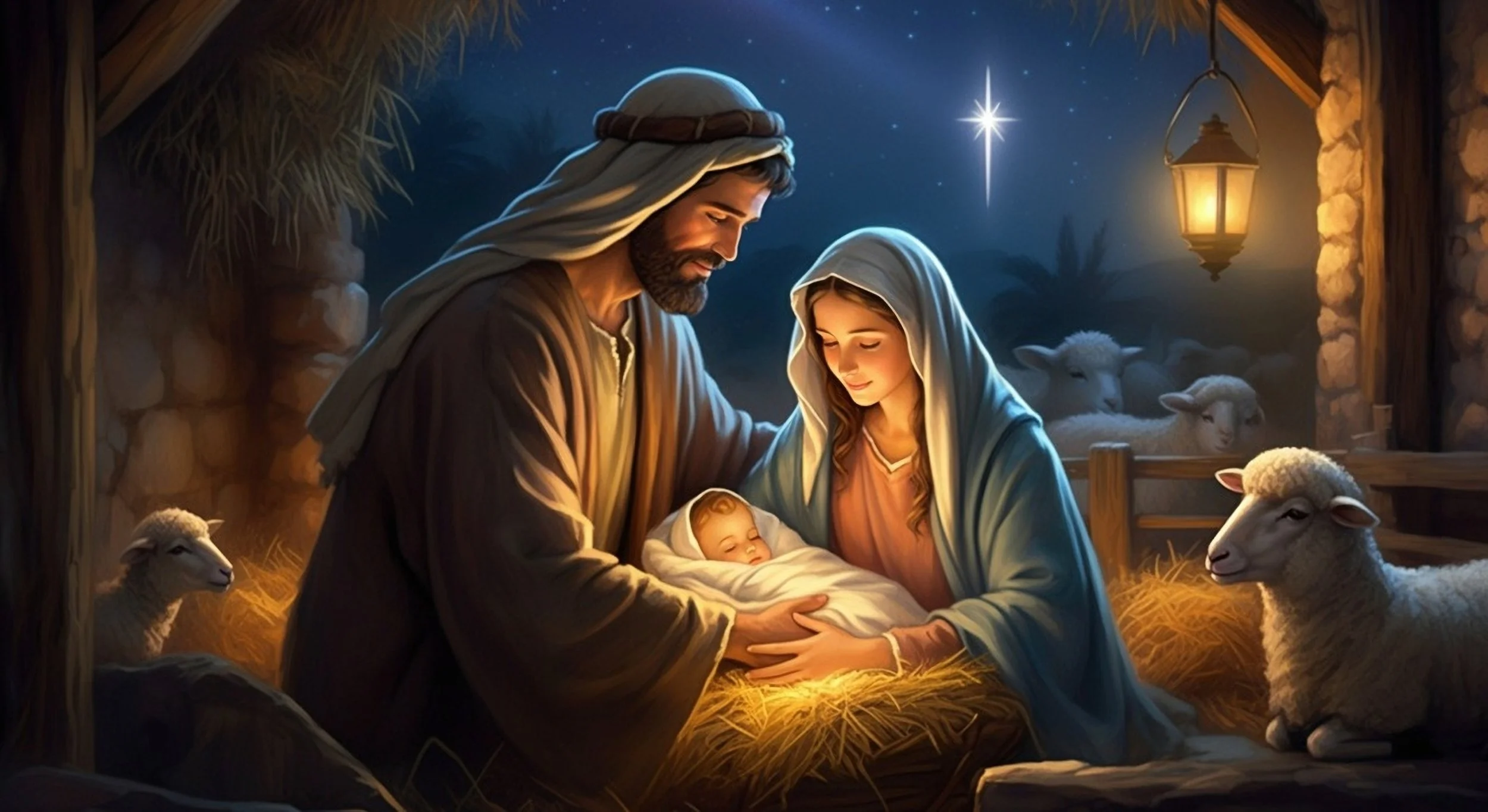
The Bible study of “The Birth of Jesus Christ” is different from other studies. The two Gospels that describe Jesus’ birth are Matthew and Luke. There is little comparison between the two Gospels. This study provides a complete illustration of Jesus’ birth by complementing the two Gospels, which wrote about the event from their points of view. You will notice Matthew describing the event from Joseph’s perspective. Matthew was Jewish, and he wrote to the Jewish community. There are a few possibilities from Matthew’s perspective. Matthew is the only one who wrote about Joseph, Jesus’ earthly father, and the dreams he had with angels. In contrast, Luke’s version focuses more closely on Mary’s experience. Even though their perspectives on the event are different, this does not discount either writer’s account. Quite the contrary, it provides a more complete and detailed interpretation of the event. Luke was a Gentile and a physician who never met Jesus. Luke wrote what he knew and heard from the other Gospel writers. Luke does not describe any of the dreams. It is also safe to assume that neither Matthew nor Luke was an actual eyewitness of Jesus’ birth. It is also not known how either obtained knowledge of the events. Their descriptions of the event are very different, but they both agree that Mary and Joseph lived in Nazareth and that Jesus was born in Bethlehem..
Chapter 2 - The Angels Appear to the Shepherds
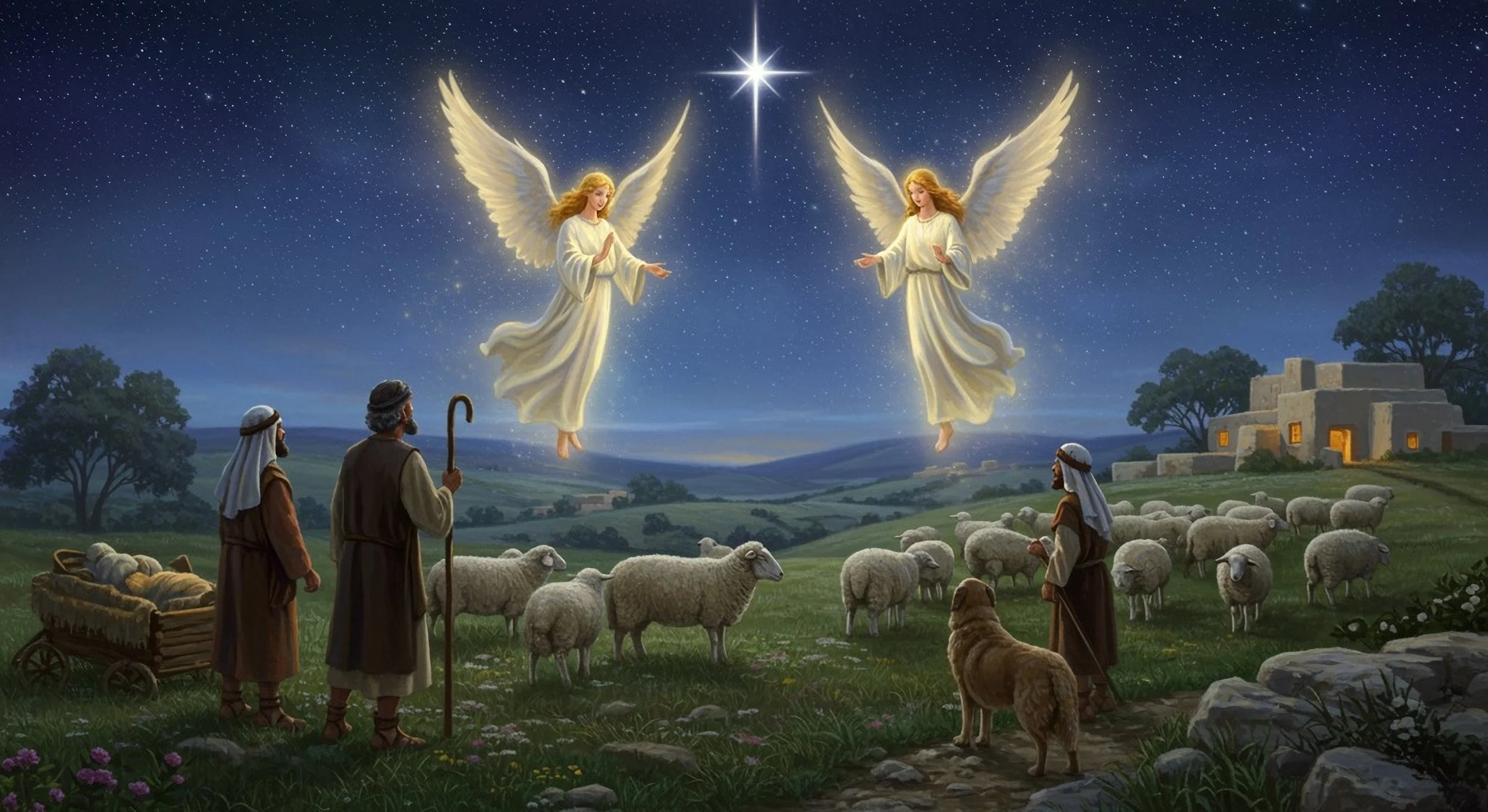
Luke continues the story of Jesus’ birth in Luke 2:1–7. He is the only Gospel that describes the story of the “Shepherds and the Angels.” Shepherds were in the fields on the evening when Jesus was born, tending to their flock. An angel of the Lord appeared to them, telling them that in the city of David, a Savior, Christ the Lord, was to be born; they would find Him wrapped in cloth and lying in a manger. A multitude of angels then appeared to the shepherds, singing praises to God. After the angels left, the shepherds went to Bethlehem to find the child. They found Mary, Joseph, and the baby Jesus lying in the manger. As the shepherds returned to their flock, they praised God for all they had seen and heard.
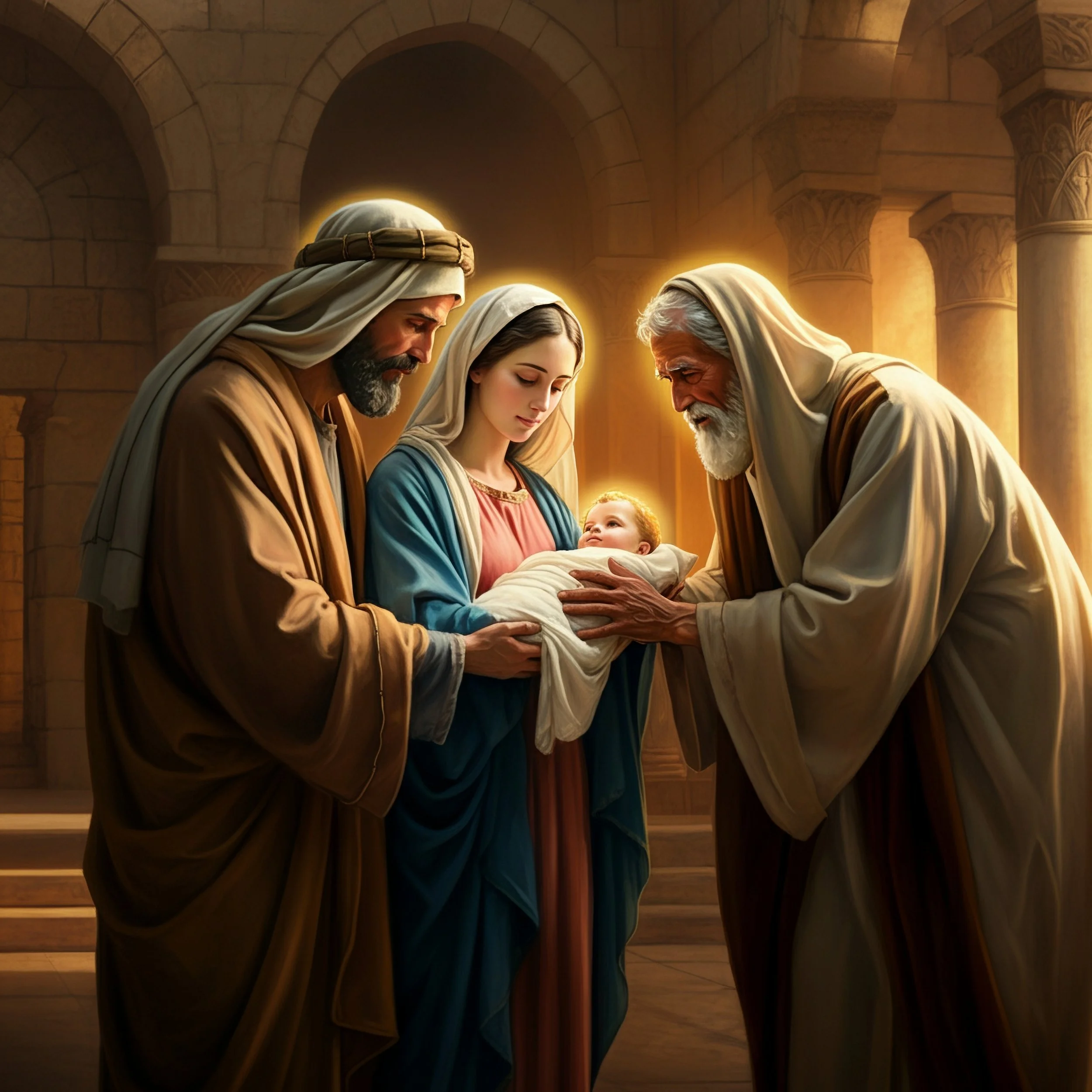
Chapter 3 - The Circumcision of Jesus, Mary’s Purification, and the Presentation in the Temple
We decided to combine three subjects in this study: the circumcision of Jesus, Mary’s purification, and the presentation in the temple. The story of the circumcision of Jesus and His presentation in the temple, found in Luke 2:21–38, begins with the ceremonial rite of circumcision performed on Jesus when He was eight days old. Afterward, Mary fulfills the customary purification requirements. Finally, Joseph and Mary journey to the temple in Jerusalem, where they encounter two individuals, Simeon and Anna. Moved by the Holy Spirit, Simeon utters prophecies concerning Jesus and shares with Mary the significance of what the future holds for Him.

Chapter 4 - The Wise Men: Magi from the East: Click on the picture to see this chapter for free.
In the Bible (Matthew 2:1–4), the cunning King Herod seeks information from the local religious leaders about the birthplace of Christ. They promptly reveal that the Promised One will be born in Bethlehem of Judea. Subsequently, Herod discreetly questions the wise men about the initial sighting of the star and then directs them to Bethlehem under the pretense of wanting to worship the newborn King (Matthew 2:5–8). Following the guiding star, the wise men arrive at the home where Mary, Joseph, and Jesus are staying in Bethlehem. Filled with joy, they pay homage to the child and present Him with gifts of shimmering gold, aromatic frankincense, and fragrant myrrh, each carrying prophetic meaning. Despite Herod’s orders, the wise men leave town by a different route after being warned in a dream not to return to the malevolent ruler (Matthew 2:9–12).
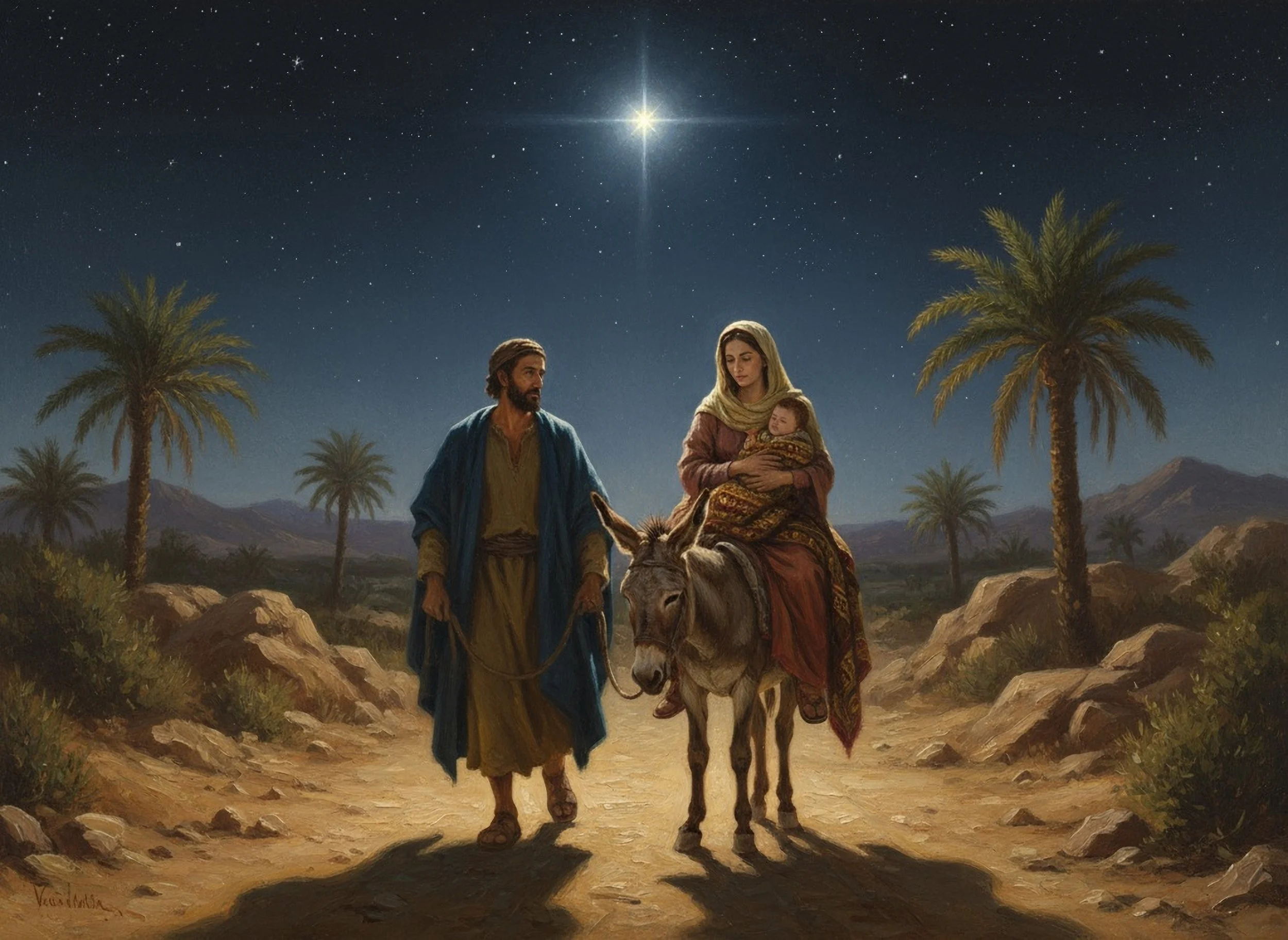
Chapter 5 - The Escape to Egypt and Return to Israel
Joseph once received divine direction from God through an angel in a dream. That night, he took his family and fled to Egypt. The journey to Egypt, which lay beyond Herod’s reach, was to be undertaken swiftly while Herod remained unaware of their true identity. Meanwhile, Herod, realizing that the wise men had departed, was consumed by rage. In a cruel and desperate attempt to eliminate any potential threat to his throne, he dispatched men to carry out a horrifying massacre, ordering them to kill all male babies in Bethlehem and the surrounding area who were two years old or younger. Unbeknownst to Herod, the object of his ruthless pursuit had long since fled the city. Matthew compares a prophecy of Rachel’s lamentation to this tragic episode. After Herod’s demise, Joseph experienced two more remarkable dreams. The first angel assured Joseph that it was safe to return to Israel, as those seeking to harm Jesus were no longer a threat. However, upon reaching Israel, Joseph was apprehensive about the rule of Herod’s volatile and capricious son over Judea. Through another divine dream, Joseph and Mary were directed to relocate to their hometown of Nazareth in the region of Galilee, governed by a more stable scion of the Herod family. Just as Jesus’ birth in Bethlehem fulfilled prophecies about the Messiah’s birthplace, his upbringing in Nazareth fulfilled yet another prophecy, signifying the Messiah’s association with Nazareth.
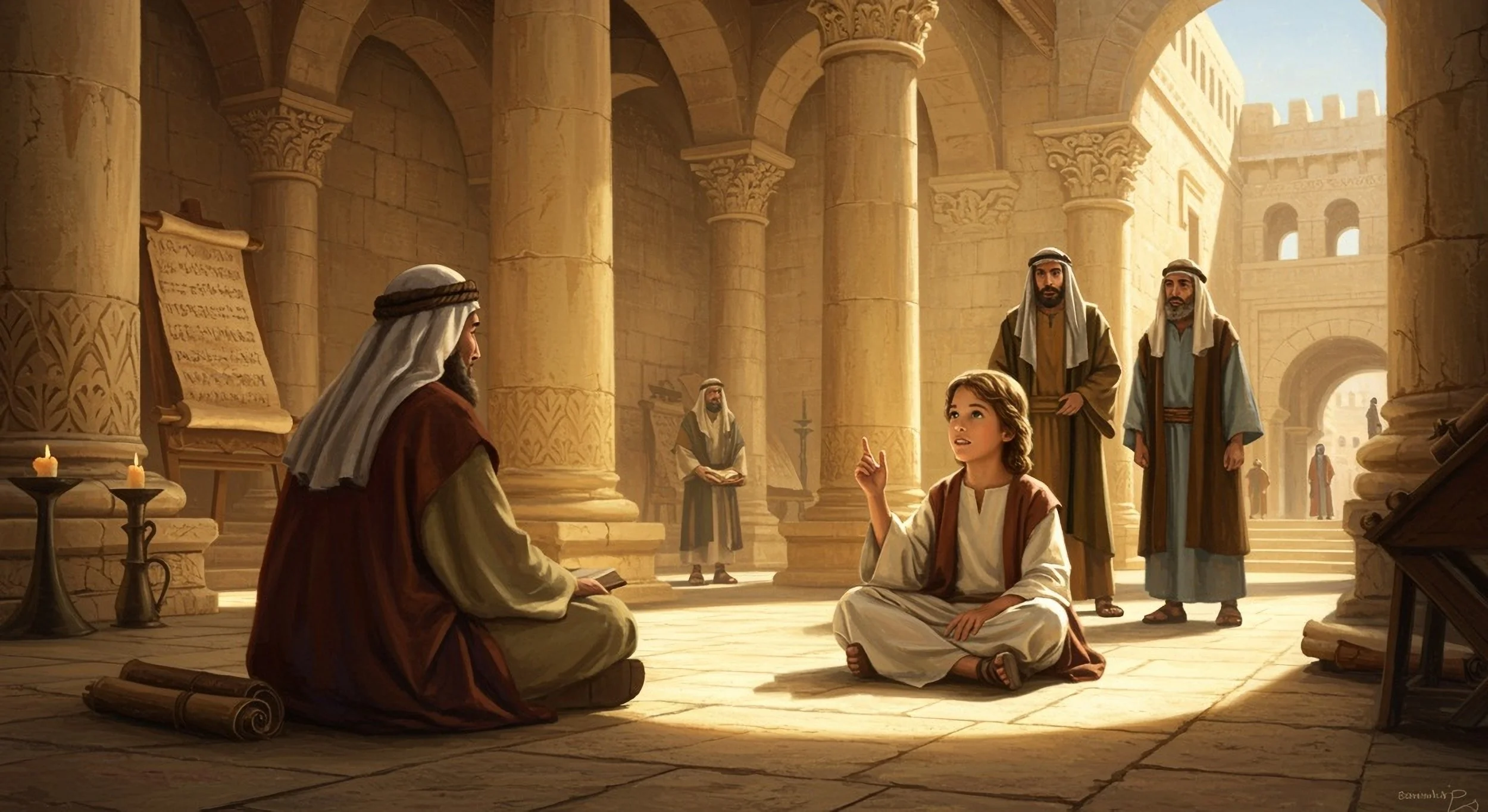
Chapter 6 - Boy Jesus Amazes the Teachers
The early years of Jesus are sparsely documented, resulting in limited information about his childhood. Most of what is recorded centers on his journey to Jerusalem. However, the little that is mentioned aligns with expectations. These are the only verses in the Bible that cover Jesus as an adolescent or child. Jesus was twelve years old when he was brought to Jerusalem to celebrate the Passover. On their journey back to Nazareth, Mary and Joseph realized Jesus was missing at the end of the day, but this did not necessarily imply negligence on their part. After a day’s journey out and back, they found Him in the Temple “after three days.” There, Jesus dazzled people with His profound wisdom.
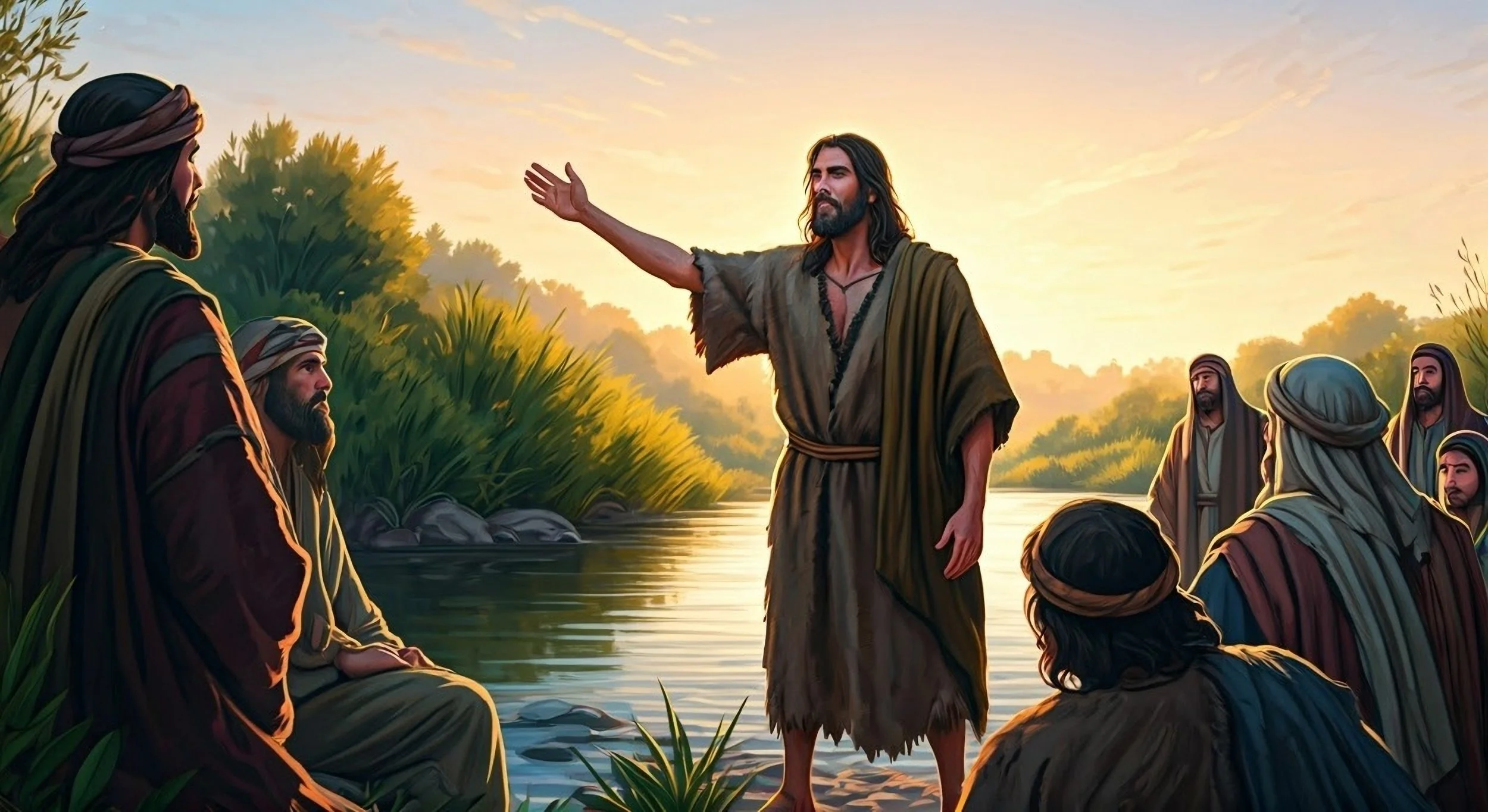
Chapter 7 - John the Baptist Prepares the Way
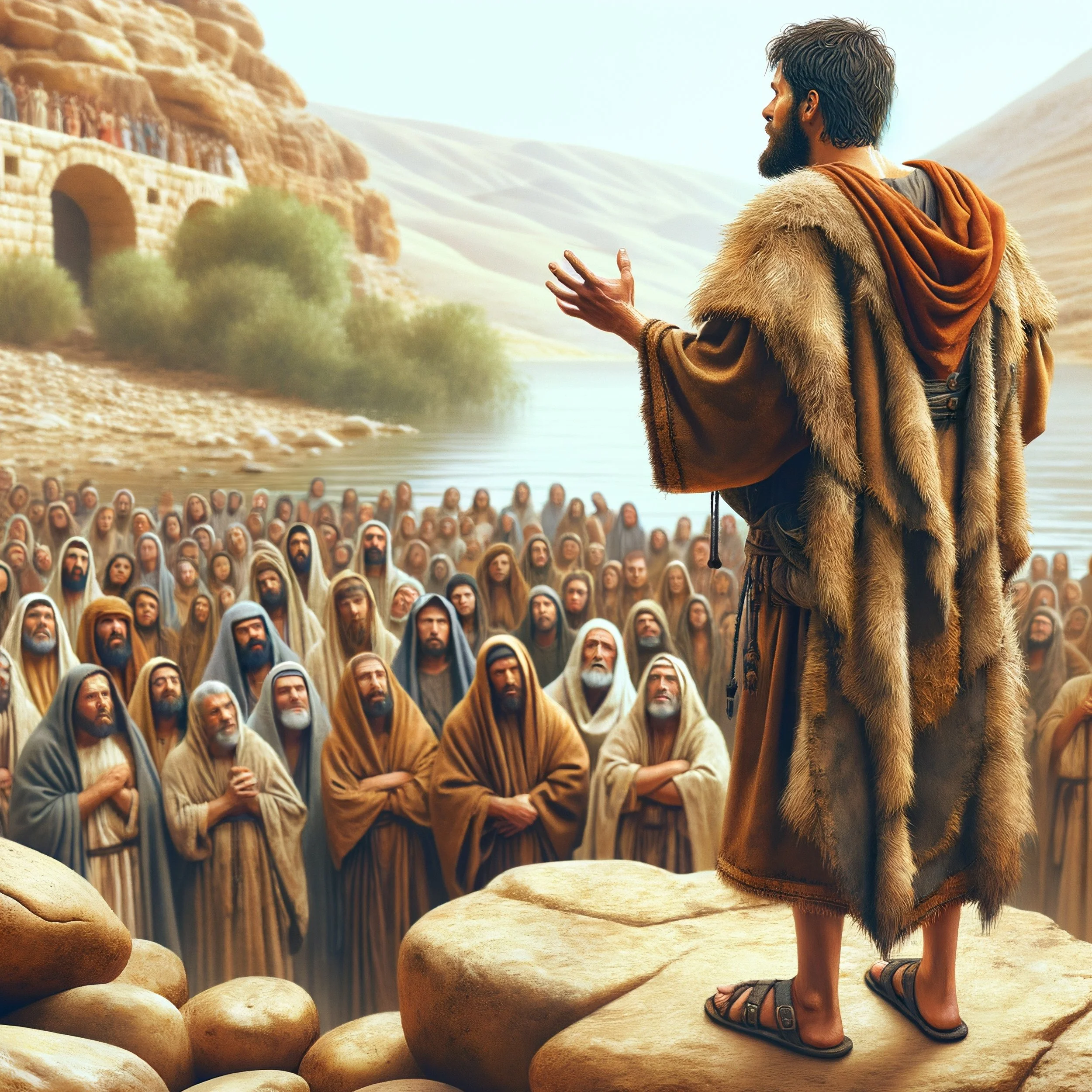
John the Baptist ended nearly four hundred years of prophetic silence. In this study, you will learn many things about John the Baptist: his lifestyle, his relation to Jesus, his boldness in standing up to the Pharisees and Sadducees, his mission of baptizing people, and most importantly, his message about the One (Jesus) who comes after him. The last four chapters cover John the Baptist preparing the way for Jesus, preaching repentance, messianic proclamations, and baptizing Jesus Christ. Several prophecies are fulfilled through John the Baptist. In chapter 7, you will learn about John the Baptist’s lifestyle, the importance of his role in paving the way for Jesus, and why it was necessary.
Chapter 8 - John the Baptist’s Preaching Repentance
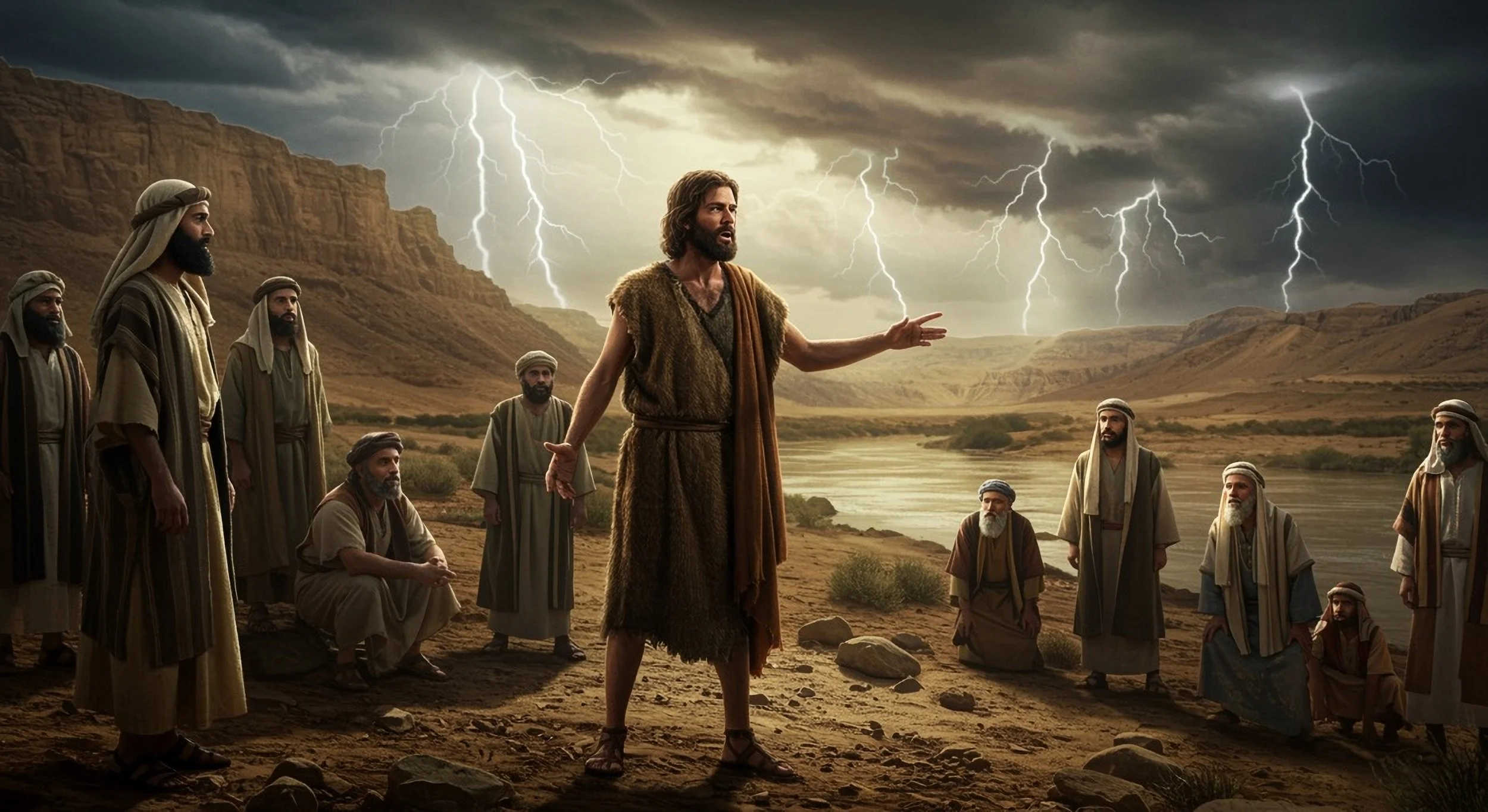
Due to John the Baptist’s popularity, he drew attention from the Pharisees and Sadducees. When he noticed their arrival at his baptisms, he addressed them harshly, referring to them as a brood of vipers. He questioned who had warned them to flee from God’s impending wrath upon those who did not repent of their sins. John cautioned that their assumption of being descendants of Abraham would not automatically spare them from the need to repent. John’s bold and direct approach might have been influenced by the presence of self-assured local religious leaders—the same individuals later criticized by Jesus for their hypocrisy. Even as John performed baptisms, he condemned those who pursued shallow faith in light of the coming judgment, likening it to an ax poised at the roots of a tree, ready to fall. The people sought him for guidance on how to live their lives. John provided recommendations for the general public, tax collectors, and soldiers. Each of the three groups faced specific temptations. John stressed that they needed to demonstrate that a genuine act of repentance would lead to bearing fruit, signifying a transformation toward true repentance.
Chapter 9 - John the Baptist’s Messianic Preaching
All four Gospels contain slightly different variations and sequential orders in recounting what they heard from John the Baptist. We will arrange these verses in the most chronological order possible. John the Baptist introduces a transformative form of baptism that involves immersion in water. In this study, you will discover the personal relationship Christians have with God. As John baptizes the people in water, he informs them that the one greater than he will come after him. He will baptize them with the Holy Spirit and fire. You will also discover the diverse gifts of the Holy Spirit and the significance of being baptized with the Holy Spirit. Additionally, we will examine how, in the Old Testament, people made sacrifices to God for the sins they committed. You will learn what it means to be baptized with fire and the implications for those who will endure the unquenchable fire.
Chapter 10 - John the Baptist Baptizes Jesus Christ
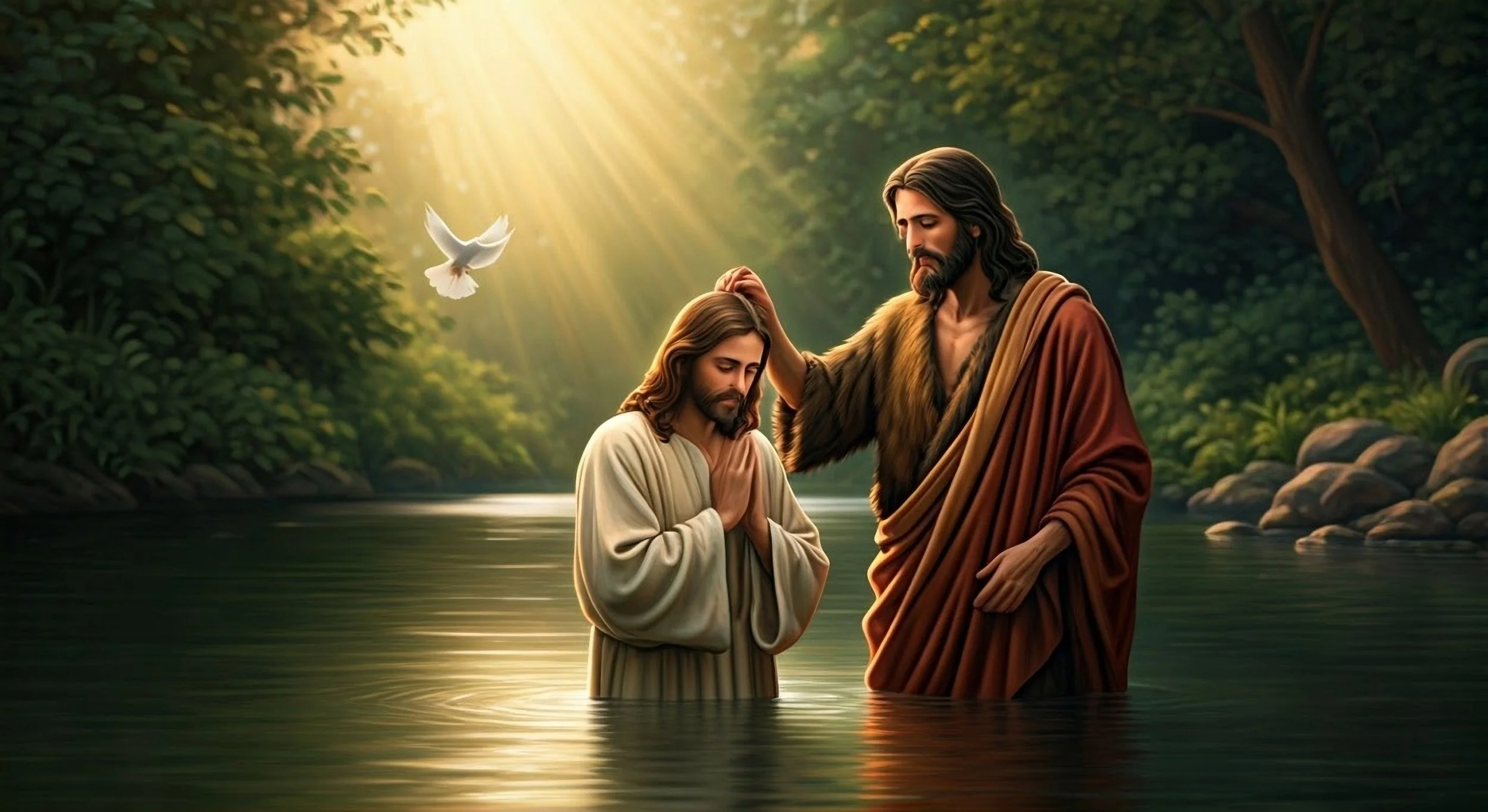
Before Jesus began His ministry, He needed to be baptized. John the Baptist was baptizing people beyond the Jordan River in Bethabara. As Jesus approached, John identified Him and said, “Behold! The Lamb of God who takes away the sin of the world!” John felt unworthy as a sinner to baptize the Messiah, so he implored Jesus to baptize him instead. After John baptized Jesus, He immediately came up from the water; the heavens opened, and the Holy Spirit descended upon Him like a dove. Then a voice came from heaven, saying, “This is My beloved Son, in whom I am well pleased.”